





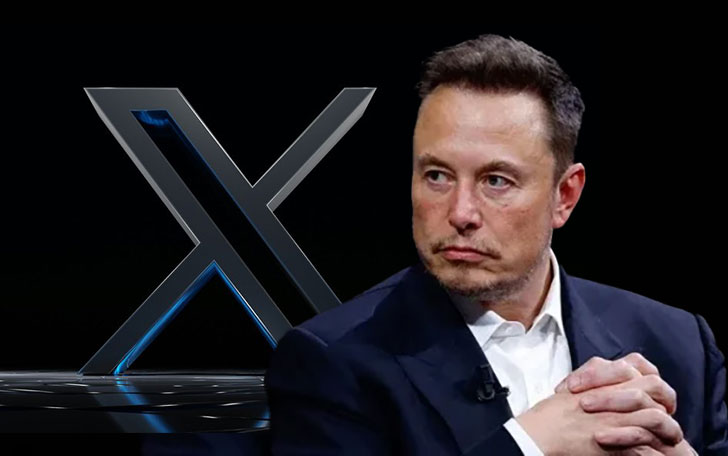
One app. Your posts. Your messages. Your money.
Elon Musk says a limited beta of X Money could launch within one to two months. The idea is bold but simple. Store your funds. Send money. Pay for purchases. Do it all inside the X app. He calls it revolutionary. And for California, that word may not be hype.
Elon Musk says a limited beta of X Money could launch within one to two months. The idea is bold but simple. Store your funds. Send money. Pay for purchases. Do it all inside the X app. He calls it revolutionary. And for California, that word may not be hype.
Not Just Another Feature
When a social platform adds payments, it is not a small update. It is a shift in power. Think about what this means. A platform where people talk, argue, shop, promote, create, invest, and now pay. The line between social media and financial services starts to disappear. Research from the Federal Reserve shows that mobile payments and peer to peer transfers keep rising in the United States. Digital wallets are no longer a niche tool. They are mainstream behavior. Younger users especially expect instant transfers and in app checkout. California leads these trends. Silicon Valley builds them. Los Angeles scales them. San Francisco funds them. If behavior is already there, the infrastructure just needs to catch up.
Why California Should Pay Attention
California is not just another state. It is the testing ground for digital finance. Residents here use Apple Pay, Google Pay, Venmo, and Zelle daily. Small businesses depend on fast digital checkout. Creators rely on instant payouts. Startups compete on frictionless user experience. Now imagine all of that inside a social network. See a product in your feed. Tap. Pay. Done. Send money to a friend without switching apps. Tip a creator instantly after reading a thread. Convenience drives adoption. Data supports it. Studies show that when payment friction drops, transaction volume increases. The easier it is to pay, the more people pay. That is not marketing. That is behavioral economics.
The Science Behind the Shift
Digital payment growth is not random. It follows clear patterns. First, mobile phone penetration is nearly universal. Second, trust in digital interfaces has increased. Third, speed changes habits. Research in consumer finance shows that instant payments reshape expectations. Once users experience real time transfers, they resist going back to delays. If X Money works smoothly, it could accelerate this psychological shift. But speed alone is not enough. Security and regulation matter just as much.
The Regulatory Reality
Payments are not likes or reposts. They are regulated financial activity. To move money legally in the United States, companies need money transmitter licenses in individual states. They must follow anti money laundering rules. They must verify user identity. They must protect customer data. California also has some of the strongest consumer privacy laws in the country. So this is not just a tech experiment. It is a compliance challenge. If X Money succeeds, it will mean the company navigated a complex web of financial regulation. If it struggles, regulation could be the reason.
Big Opportunity for Small Business
For local businesses in Sacramento, San Jose, or San Diego, this could open a new channel. Social commerce is already growing. People discover brands in feeds. Now they could complete purchases there too. For creators, it could mean direct monetization. Faster payouts. Fewer middle steps. For startups, it could mean new APIs and integrations. Or new competition from a giant that controls both attention and payments. That dual control is powerful. Attention plus money equals influence.
The Risks We Should Not Ignore
Every payment system carries risk. Cybersecurity threats. Account freezes. Hidden fees. Data privacy concerns. When money and social identity merge, the stakes get higher. A hacked account is no longer just embarrassing. It is financial. Consumers should read terms carefully. Businesses should test before scaling. Regulators will watch closely. Innovation is exciting. But trust is everything in finance.
A Battle of Wallets
California already runs on digital wallets. Apple Pay. Google Pay. Venmo. Zelle. Now X wants a seat at that table. The advantage is clear. A massive built in audience. High engagement. Constant daily usage. The question is whether users want their social life and financial life in the same space. Some will love the convenience. Others will worry about concentration of power. Both reactions are rational.
What Happens Next
The upcoming beta will be small. Controlled. Observed. That is smart. Early feedback will shape the product. Security systems will be tested. Regulatory compliance will be scrutinized. If the rollout is smooth, California could become a key growth market. If problems appear, adoption may slow. Either way, this is more than a feature launch. It is an experiment in building a financial ecosystem inside a social platform.
For years, tech companies have aimed to become super apps. Platforms where messaging, shopping, payments, and content live together. X Money is a step toward that vision. If successful, it could reshape how Californians move money online. It could simplify payments. It could empower creators. It could challenge traditional banks and fintech firms. Or it could remind us that finance is harder than social media. The next few months will tell.