





Anxiety as the new normal
Anxiety is no longer a private struggle. In California, people talk about it openly. On college campuses. In doctors’ offices. Around dinner tables.
In a fast moving world filled with constant noise and notifications, feeling tense has become almost routine.
But this is where hope begins. Not vague or mystical hope, but something grounded in science and everyday life. Something that starts with what is on your plate.
A study that changed the conversation
Researchers at the University of California recently published findings that caught the attention of health experts across the state. They analyzed brain scans from 712 people with different levels of anxiety.
The pattern was clear. People with anxiety disorders had lower levels of choline in key areas of the brain compared to those who felt more emotionally stable.
These were not abstract numbers. They pointed to a real biological link between what we eat and how our brain handles stress.
What is choline and why it matters
Choline is not a trendy supplement or a passing wellness fad. It is an essential nutrient your brain depends on every day.
It helps brain cells communicate with each other.
It supports memory and focus.
It plays a role in mood and emotional balance.
Think of choline as fuel for your brain. When the tank is full, the brain processes emotions more smoothly and does not jump into panic mode without a reason.
When the brain runs low
When choline levels drop, the brain works harder and less efficiently. Emotional reactions can feel sharper. Racing thoughts are harder to stop. Anxiety turns on even when nothing is really wrong.
Scientists are careful with their conclusions. This is not a magic fix and not a replacement for therapy or medical care. But the connection between choline and stress resilience is strong enough to matter.
California’s holistic view of mental health
These findings fit right into California’s broader approach to mental health. Here, researchers look beyond medication alone. Lifestyle matters. Sleep matters. Movement matters. And food matters.
Many modern diets, especially those heavy in processed foods, do not provide enough choline. Even people who try to eat “healthy” may fall short without realizing it.
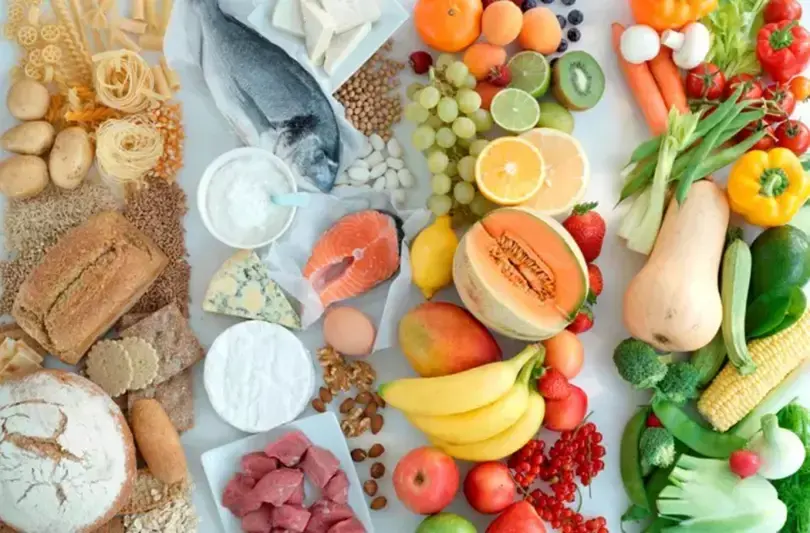
Where to find choline in everyday foods
The good news is that choline comes from familiar and accessible foods.
Beef and chicken liver
Eggs
Fish
Soy products like tofu and soy milk
Chickpeas and other legumes
For a California kitchen, this is easy to imagine. An omelet in the morning. Fish at lunch. A warm chickpea dish in the evening. Simple meals that quietly support your nervous system.
Support, not a substitute
Researchers are clear about one thing. Food alone does not cure anxiety. But it can lower vulnerability.
With enough choline, the brain processes emotions more efficiently and is less likely to trigger anxiety without a real threat.
It is like a well tuned engine. It still responds to pressure, but it does not stall at every stoplight.
A sense of control that matters
As conversations about mental health become more open, discoveries like this are powerful. They give people back a sense of control.
Not through willpower.
Not through guilt.
But through small, informed choices.
A simple place to start
If you feel overwhelmed. If exhaustion has become your baseline and anxiety your background noise. Start small.
A breakfast that feeds your brain.
A lunch that supports your nervous system.
A dinner that helps you exhale.
Big change does not always begin with big decisions.
This article does not replace professional medical advice. But it reminds us of something important.
Mental health does not live only in the mind. Very often, it begins in the kitchen.