





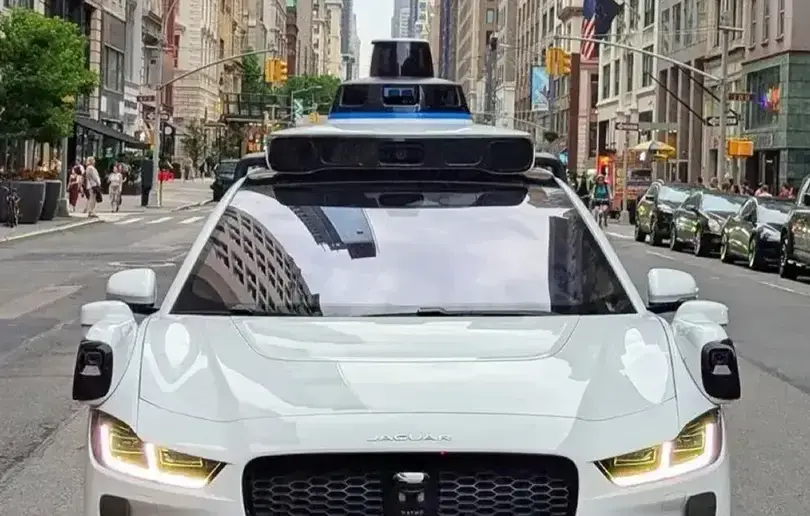
San Francisco International Airport has always been a testing ground for new ideas. Now it is making history again. Passengers at SFO can officially use fully autonomous Waymo vehicles to travel to and from the airport without a human driver.
This is more than a tech update. It is a glimpse of how everyday travel is about to change. For many travelers this will be their first real experience with self driving cars in a high traffic environment.
How Waymo Works at SFO
At launch the Waymo service operates from Level 1 of the Rental Car Center. This location was chosen for a reason. It is easy to access and designed to handle complex traffic flows. Passengers can reach it quickly using the automated AirTrain that connects all airport terminals.
The process is simple. Riders request a car through the Waymo One app. The vehicle arrives at a designated pickup area. The doors unlock and the car drives itself to the destination with no driver behind the wheel.
For now the service is available to a limited group of users. Waymo plans to expand access gradually and extend service to additional airport areas including terminal zones.
Why Airports Matter for Self Driving Cars
Airports are one of the hardest places for autonomous vehicles to operate. Traffic is dense. Rules are strict. Conditions change constantly. That is why this launch matters.
Waymo vehicles are not new to the road. They have already completed millions of miles in real world driving conditions. According to the company their systems show lower crash rates compared to human drivers in similar environments.
Bringing this technology into an airport setting signals that autonomous driving has reached a new level of reliability.
Safety Is the Core Promise
Waymo emphasizes safety as its main advantage. Each vehicle uses a combination of cameras radar and lidar to build a detailed real time map of its surroundings. The system never gets tired distracted or impatient.
Waymo co CEO Tekedra Mawakana said the company is proud to offer reliable autonomous rides to Bay Area passengers and support the region’s growing travel demand.
The goal is not to replace people overnight. It is to reduce human error which remains the leading cause of traffic accidents in the United States.
What This Means for Travelers
For passengers the biggest benefit is convenience. There is no small talk. No route confusion. No pressure to tip. The ride is calm predictable and smooth.
Autonomous vehicles are especially useful for late night and early morning flights when transportation options are limited. They also appeal to travelers who prefer quiet focused rides or are unfamiliar with local roads.
For many people this will be the first moment when self driving technology feels normal rather than experimental.
Environmental and Strategic Impact
Most Waymo vehicles are electric which supports SFO’s long term sustainability goals. Fewer emissions and less noise help reduce the environmental footprint of airport transportation.
SFO Director Mike Nakornkhet stated that the service aligns with the airport’s mission to provide safe sustainable and convenient transportation for travelers.
In the long run autonomous fleets could reduce congestion by lowering the number of individual cars circulating around airport roadways.
A Model for Other US Airports
If the rollout at SFO proves successful other major airports are likely to follow. Los Angeles New York Chicago and Dallas are all watching closely.
Travel no longer starts at the gate. It starts the moment you leave home. And at San Francisco International Airport that journey is now powered by artificial intelligence.
The future is no longer coming soon. At SFO it is already picking up passengers.