





A change that was bound to happen
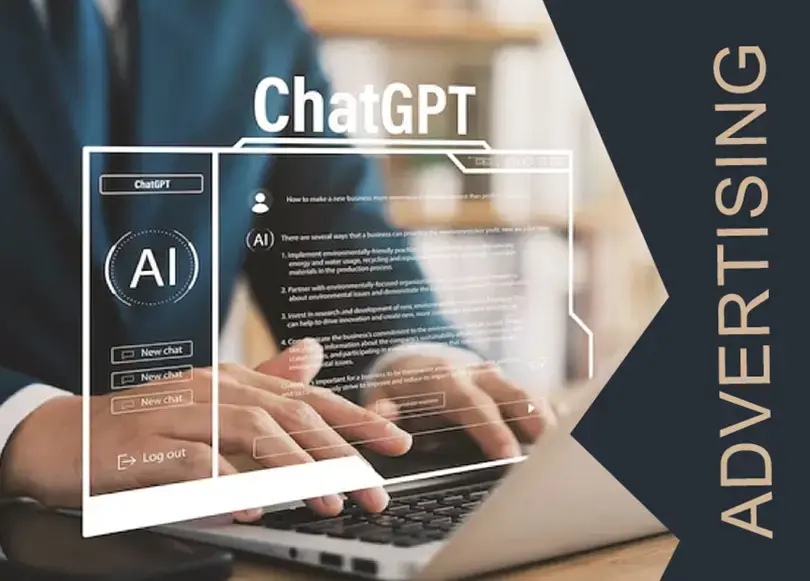
The news that ads are coming to ChatGPT sparked instant debate. Some users were disappointed. Others were not surprised at all. But for anyone who has been watching how artificial intelligence is growing, this moment felt inevitable.
ChatGPT is no longer just a tech experiment. It has become a daily tool for work, learning, creativity, and problem solving. Millions of people in the United States rely on it every day. And when a tool reaches this scale, it comes with a massive cost.
Why ads are coming now
For a long time, OpenAI resisted advertising. Company leaders openly said that ads were a last resort. CEO Sam Altman himself called this path undesirable. But reality pushed harder than ideals.
Today, around 900 million people use ChatGPT. Only about 5 percent pay for a subscription. The rest use it for free. Every single question requires servers, electricity, and cloud computing power. Those costs add up quickly.
Without a stable way to pay for all of this, even the most advanced AI cannot survive.
The real cost of artificial intelligence
According to industry reports, OpenAI does not expect to become profitable before 2030. By that time, the company may have accumulated losses of up to 115 billion dollars. Cloud infrastructure alone is estimated to cost around 450 billion dollars.
In this context, advertising is not about greed. It is about survival.
Why the United States comes first
Ads in ChatGPT are launching first in the United States. This choice makes sense. The US has the largest digital advertising market in the world. American users are already familiar with ad supported platforms. It is also the main testing ground for OpenAI products.
Ads will appear for free users and for subscribers on the Go plan. OpenAI says the ads will be clearly marked, non intrusive, and will not affect the content of ChatGPT answers.
What OpenAI promises users
Privacy is the biggest concern. OpenAI stresses that conversations with ChatGPT will not be shared with advertisers. Ads will not influence how the AI responds. ChatGPT will not try to sell products through its answers.
In simple terms, ads will exist next to the experience, not inside the thinking of the AI.
Why this matters for the entire AI industry
This decision sends a powerful signal. If the most popular AI tool in the world cannot exist without ads, no other company can ignore this reality.
Artificial intelligence is becoming a media platform, much like search engines, social networks, and video services. Wherever there is a large audience, advertising follows.
The end of a dream, or the start of maturity
The early internet was full of idealism. Many believed technology could live outside of economics. History proved otherwise.
Ads in ChatGPT do not mean the magic is gone. They mean AI has grown up.
Why most users will stay
Despite criticism, most users will not leave. ChatGPT saves time. It helps people earn money. It makes complex things easier.
For many, it is no longer a toy. It is a tool. And if the price of free access is light, respectful advertising, most people will accept it.
What comes next
If the US launch succeeds, ads will likely expand to other countries. Formats will evolve. Pricing tiers may change. The line between free and paid experiences will become clearer.
One thing is certain. The era of completely free universal AI is ending. A new era of sustainable AI is beginning.
Ads in ChatGPT raise a deeper issue. How do we want to live with artificial intelligence. What are we willing to trade for convenience. And who shapes the future of our digital world.
These questions will define the next decade of the internet.