





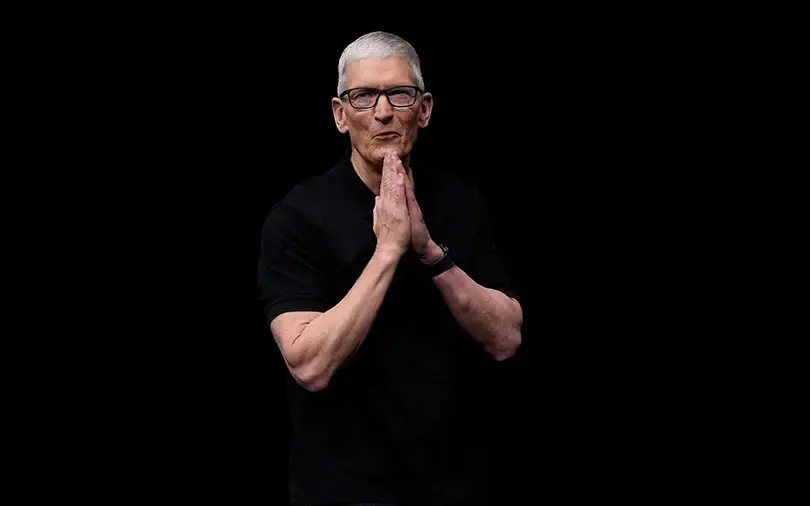
It is hard to overstate this moment. Tim Cook is stepping down as CEO of Apple on September 1, 2026. This is not just a leadership change. It is the end of one management philosophy and the beginning of another.
When Cook took over after Steve Jobs, many expected instability. Jobs was a visionary. Cook turned out to be a systems builder. Over fifteen years, he transformed Apple into the most valuable company in history, growing its market value from about 350 billion dollars to more than 4 trillion. The numbers are impressive, but the method matters even more.
Cook optimized everything. Supply chains. Margins. Predictability. He expanded services and subscriptions and strengthened the ecosystem. This aligns with core ideas from behavioral economics and systems theory. Once users are inside an ecosystem, the cost of leaving goes up. That lock in effect is why the iPhone is not just a device. It is an entry point into a broader digital environment.
Now attention turns to the likely successor. John Ternus. He leads hardware engineering across iPhone, iPad, and Mac. That detail matters. It suggests Apple may shift focus back toward product innovation.
There is a pattern in major tech companies. First comes the visionary. Then the operator who scales the business. Then an engineering leader who drives the next wave of innovation. It mirrors the cycle described in innovation theory, where stable phases are followed by periods of creative renewal.
So the key question is simple. What is Apple’s next big move.
There are a few areas where leadership change could make a real difference.
First is next generation devices. Spatial computing, wearables, and deeper integration between hardware and human experience. An engineering led CEO could accelerate progress here.
Second is artificial intelligence. Apple has moved carefully, prioritizing privacy and on device processing. But the global race is intensifying. The next CEO will need to balance speed with the company’s core values.
Third is the ecosystem as an environment. Apple already sells an experience, not just products. The next step could be making the boundary between physical and digital interactions almost invisible.
What makes this transition unusual is timing. It is happening at a peak, not during a crisis. From a management perspective, that is the most stable moment to change leadership. The company keeps its resources, investor trust, and strategic flexibility.
There is still risk. Highly optimized systems often become less adaptable. The better a machine runs, the harder it is to change it. The next leader will need to introduce change without breaking what already works.
In the United States, Apple is more than a tech company. It is a cultural signal. For millions of people, it connects to identity, lifestyle, and daily habits.
That is why this shift will trigger more than financial reactions. People are trying to understand how their digital environment might evolve.
Look deeper and you can see a familiar transition. Apple has mastered efficiency. Now it needs to rediscover surprise.
The official announcement is expected after the next earnings report. Markets are already making bets. But the real question is not just who will lead Apple. It is whether the company can once again set the direction for the entire industry.
At moments like this, it becomes clear that this is not only about a new CEO. The mood of the company changes. The way it looks at the future changes.
Apple has been through turning points before. Each time it found a way not just to hold its ground, but to set a new benchmark for the industry. There is no sense of panic right now. No urgency. There is something else. A quiet focus before the next move.
When Cook took over after Steve Jobs, many expected instability. Jobs was a visionary. Cook turned out to be a systems builder. Over fifteen years, he transformed Apple into the most valuable company in history, growing its market value from about 350 billion dollars to more than 4 trillion. The numbers are impressive, but the method matters even more.
Cook optimized everything. Supply chains. Margins. Predictability. He expanded services and subscriptions and strengthened the ecosystem. This aligns with core ideas from behavioral economics and systems theory. Once users are inside an ecosystem, the cost of leaving goes up. That lock in effect is why the iPhone is not just a device. It is an entry point into a broader digital environment.
Now attention turns to the likely successor. John Ternus. He leads hardware engineering across iPhone, iPad, and Mac. That detail matters. It suggests Apple may shift focus back toward product innovation.
There is a pattern in major tech companies. First comes the visionary. Then the operator who scales the business. Then an engineering leader who drives the next wave of innovation. It mirrors the cycle described in innovation theory, where stable phases are followed by periods of creative renewal.
So the key question is simple. What is Apple’s next big move.
There are a few areas where leadership change could make a real difference.
First is next generation devices. Spatial computing, wearables, and deeper integration between hardware and human experience. An engineering led CEO could accelerate progress here.
Second is artificial intelligence. Apple has moved carefully, prioritizing privacy and on device processing. But the global race is intensifying. The next CEO will need to balance speed with the company’s core values.
Third is the ecosystem as an environment. Apple already sells an experience, not just products. The next step could be making the boundary between physical and digital interactions almost invisible.
What makes this transition unusual is timing. It is happening at a peak, not during a crisis. From a management perspective, that is the most stable moment to change leadership. The company keeps its resources, investor trust, and strategic flexibility.
There is still risk. Highly optimized systems often become less adaptable. The better a machine runs, the harder it is to change it. The next leader will need to introduce change without breaking what already works.
In the United States, Apple is more than a tech company. It is a cultural signal. For millions of people, it connects to identity, lifestyle, and daily habits.
That is why this shift will trigger more than financial reactions. People are trying to understand how their digital environment might evolve.
Look deeper and you can see a familiar transition. Apple has mastered efficiency. Now it needs to rediscover surprise.
The official announcement is expected after the next earnings report. Markets are already making bets. But the real question is not just who will lead Apple. It is whether the company can once again set the direction for the entire industry.
At moments like this, it becomes clear that this is not only about a new CEO. The mood of the company changes. The way it looks at the future changes.
Apple has been through turning points before. Each time it found a way not just to hold its ground, but to set a new benchmark for the industry. There is no sense of panic right now. No urgency. There is something else. A quiet focus before the next move.
Maybe the most important thing now is not to predict that move. It is to watch closely. Because this is usually when Apple does something that later feels obvious to everyone.