





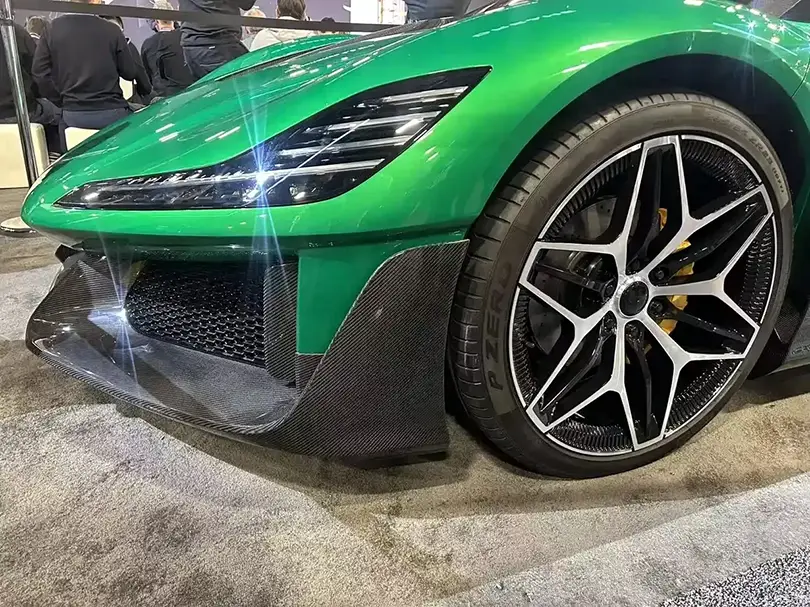
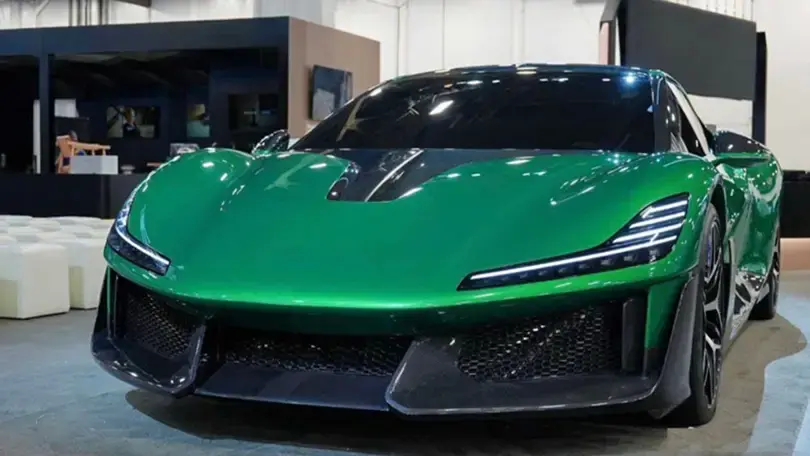
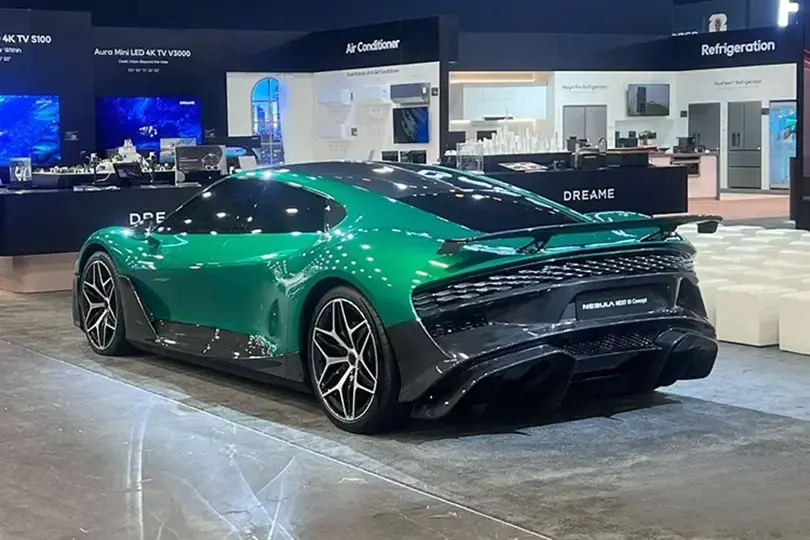
Not long ago, the name Dreame was associated with smart vacuum cleaners, home technology, and sleek everyday design. Today, the brand made headlines at CES in Las Vegas with something no one expected. An electric supercar called Nebula, producing an astonishing 1,876 horsepower.
This was not a gimmick or a flashy stunt. It was a serious statement. Dreame is stepping far beyond household appliances and driving straight into the future of high performance mobility.
A Machine That Redefines Electric Speed
The Dreame Nebula instantly captured attention with numbers that rival the fastest cars on the planet. It accelerates from zero to one hundred kilometers per hour in just 1.8 seconds. That is faster than the highly praised Xiaomi SU7 Ultra and places Nebula firmly in hypercar territory.
The performance is powered by four electric motors working together to deliver precise torque to each wheel. This setup improves traction, stability, and efficiency at extreme speeds. The body is made of carbon fiber to reduce weight while increasing structural strength. Active aerodynamics automatically adjust airflow based on speed and driving conditions, maximizing downforce when it matters most.
Even small details like touchless door handles reinforce the idea that this car was designed as a vision of the future, not just a fast prototype.
From Home Appliances to High Performance Engineering
At first glance, the leap from vacuum cleaners to supercars sounds risky. But from an engineering perspective, it makes more sense than many people think.
Dreame has spent years developing high efficiency electric motors, advanced cooling systems, power management, and intelligent software control. These are the same core technologies that define modern electric vehicles. An EV is essentially a complex system of motors, batteries, sensors, and software. In that world, Dreame is not a beginner.
The Nebula project shows how expertise in consumer technology can translate directly into automotive innovation.
Why Berlin Matters
Dreame is not stopping at concepts and headlines. The company is already working on building its own manufacturing plant in Berlin in partnership with the French financial institution BNP Paribas.
Choosing Germany is a strategic move. The country represents engineering excellence and automotive credibility. It also sends a clear signal to European and American markets that Dreame is serious. According to the company, mass production of the Nebula is planned for 2027.
That timeline allows for extensive testing, certification, and refinement, which are critical in the automotive industry.
A New Kind of Competition for Tesla and Porsche
With Nebula, Dreame enters a space dominated by legendary names like Tesla and Porsche. These brands have decades of experience, racing heritage, and loyal followings. But recent history shows that newcomers often drive the biggest changes.
Tesla itself was once seen as an outsider. Today, it sets benchmarks for the entire industry. Dreame is following a similarly bold path, but with an even more radical entry point by starting at the extreme high performance end.
Whether established automakers like it or not, competition is coming from unexpected directions.
Why This Project Matters Beyond One Car
Nebula is more than an eye catching reveal at CES. It represents a deeper shift in the industry. The lines between consumer electronics, home technology, and automotive engineering are disappearing.
Companies that master electric motors, batteries, thermal management, and software now have a real chance to enter the auto industry without decades of traditional car building experience. For consumers, this means faster innovation, more competition, and smarter vehicles.
Bold Vision Is the New Currency
The Nebula project proves that modern brands grow by taking risks and challenging assumptions. Dreame is expanding its identity from cleaning homes to rethinking speed, design, and performance.
If the company delivers on its promises and brings Nebula to production with its claimed specifications, the automotive landscape will gain a powerful new player. And established brands will be forced to respond faster than ever.
Looking Ahead
For now, Nebula is a bold promise and a technological showcase. But major industry shifts often begin exactly this way. In a few years, CES 2026 may be remembered as the moment a home appliance brand decided to challenge automotive legends.
And even if Dreame never becomes the next Tesla, it has already proven one thing. In the electric era, a brand’s past no longer defines its future.