





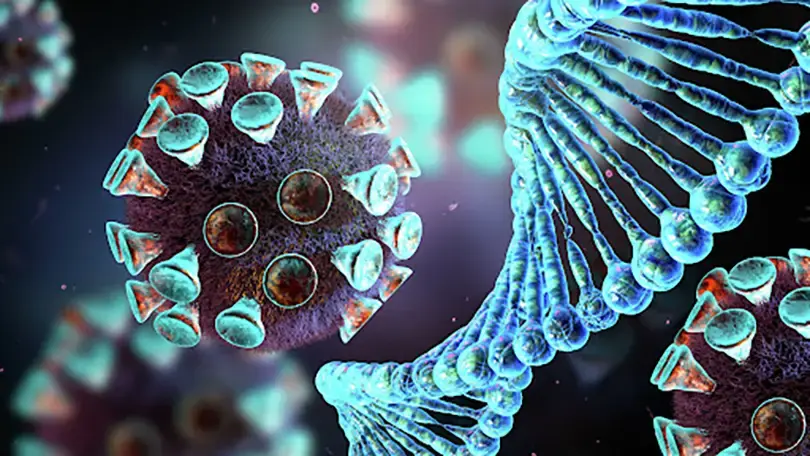
For many years, reading human DNA was like trying to understand a book written in a foreign language. Scientists could see genetic mutations, but they often did not know what those changes really meant for a person’s health.
Today, that is changing fast.
Researchers at Mount Sinai Medical Center in New York have developed an artificial intelligence system that can predict which diseases may be caused by specific genetic mutations. This is not science fiction. It is a working technology that has already shown high accuracy in laboratory tests.
This breakthrough brings medicine closer to a future where diseases can be predicted before symptoms appear.
Why Genetic Mutations Are So Hard to Understand
Modern DNA testing can detect thousands of genetic changes in one person. Some of these changes are harmless. Others can lead to serious diseases.
The challenge is understanding what each mutation actually does. A single genetic defect might cause cancer, affect brain development, or trigger other serious conditions. Until now, doctors had to analyze this information manually, comparing research papers, clinical cases, and limited data.
This process was slow, expensive, and often uncertain.
Artificial intelligence changes that.
How the AI Model Works
The Mount Sinai team trained their AI on nearly 500,000 genetic variants across 6,600 genes. Some variants were known to cause disease, while others were harmless.
The system studies how genes work, how proteins are formed, and how different parts of the genome interact. Instead of only identifying risky mutations, the AI predicts what kind of disease a mutation is likely to cause.
This is a major step forward in genetic analysis.
Accuracy That Can Save Time and Lives
In lab testing, the AI showed strong accuracy. It was able to tell the difference between mutations linked to cancer, neurological disorders, and other health problems.
For doctors, this means faster and more reliable diagnoses. For patients, it means learning about health risks earlier, sometimes years before a disease begins.
This is especially important for rare genetic conditions that often go undiagnosed for a long time.
A New Path to Personalized Medicine
One of the biggest promises of this technology is personalized treatment. In the future, doctors will not need to search through thousands of genetic markers.
A single analysis could point directly to the genes causing a problem. From there, targeted treatments and even gene therapies can be developed for each individual patient.
Medicine moves from guesswork to precision.
What This Means for Healthcare
Early detection of genetic risks can lower healthcare costs, reduce misdiagnosis, and improve quality of life. Hospitals, research centers, and insurance providers are already paying close attention to AI driven genetics.
Artificial intelligence is no longer an experiment. It is becoming part of everyday medical practice.
Ethics and Responsibility
With powerful technology come important questions. How should genetic data be stored. Who can access it. How do we protect patients from discrimination based on their DNA.
The researchers emphasize that privacy and security are central to the system’s design. Still, public discussion and clear rules will be essential as this technology grows.
Humans and AI
This AI is not meant to replace doctors. It is designed to support them.
Doctors make the final decisions. AI helps by processing massive amounts of data that no human could analyze alone. Together, they form a stronger and more accurate medical team.
A Glimpse Into the Future of Medicine
The Mount Sinai breakthrough shows how quickly medical science is evolving. Artificial intelligence that can predict genetic diseases is changing how we think about healthcare.
Medicine is shifting from treating illness to preventing it. From general solutions to personalized care. From uncertainty to informed decisions.
The future of medicine begins inside our DNA. Now, we finally have the tools to understand it.