





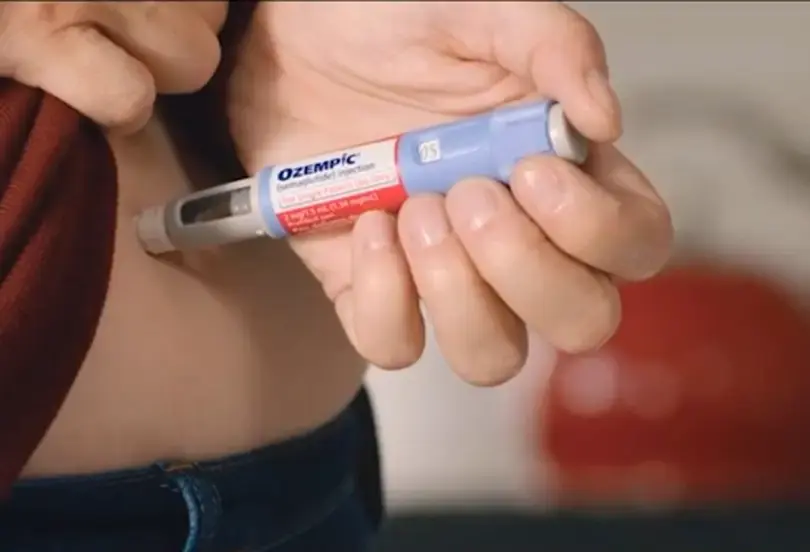
We have grown accustomed to believing in a miracle pill or injection that solves metabolic syndrome with the click of a pen. But while the world admired the hollowed out cheeks of stars on red carpets, a scientific drama was brewing in the laboratories. A new study published in March 2026 forces us to reconsider the price of a perfect physique. It turns out that while the scale needle drops, your skeletal system might literally be turning into dust.
Beyond Nausea and Discomfort
For a long time, the discussion surrounding GLP1 receptor agonists revolved only around temporary gastrointestinal distress. We discussed Ozempic face, muscle loss, and vivid dreams. This was considered an acceptable price for shedding unwanted pounds. However, fresh data obtained after analyzing 150,000 patients over five years paints a much darker picture. We are no longer talking about a temporary upset stomach. We are talking about the systemic destruction of the musculoskeletal system, which could have long term consequences for millions.
Numbers That Demand Attention
The research group conducting the analysis found a direct correlation between the use of popular drugs and a critical decline in bone mineral density. The statistics are ruthless. The risk of developing osteoporosis, a condition where bones become porous and brittle, increases by 30 percent. But this is only the tip of the iceberg. The study recorded a shocking spike in osteomalacia. The risk of bone softening increases by more than 150 percent. For a resident of Los Angeles or San Francisco, this means that a routine run through the Canyon or an accidental fall from a yoga mat could result in a complex fracture previously seen only in the elderly.
The Mechanics of Bone Balance: Why It Happens
To understand the depth of the problem, we must look at how our bone tissue is structured. Bone is not a static piece of mineral. It is a dynamic living substance that is constantly remodeling itself. Two types of cells participate in this process: osteoclasts and osteoblasts.
Osteoclasts are the specialized destroyers of the bone. Their task is resorption, which means dissolving old or damaged bone tissue. They release powerful acids and enzymes to make room for new structures. Osteoblasts are the builders. They diligently synthesize the bone matrix and facilitate its mineralization.
In a healthy body, a strict balance exists. Resorption and bone formation are in harmony. Scientists suggest that GLP1 receptors are located not only in the brain or gut but actively interact with these bone cells. Synthetic hormone analogs suppress the activity of the building osteoblasts while simultaneously supporting or even stimulating the excessive work of the destructive osteoclasts.
The biochemical mechanism of this interaction is often described through a complex signaling pathway involving protein interactions:
$$RANK / RANKL / OPG$$
When exogenous drugs are introduced, this cascade is disrupted. Bone begins to break down faster than the body can build new tissue. The result is a decrease in density that makes the skeleton look like a sponge, ready to snap under minimal load.
Biohacking Versus Biology
In California, we love to optimize everything. But biology has its own rigid limits. Attempting to cheat evolution with high dose injections leads to the body reclaiming resources from its deepest depots. Bones are our strategic reserve of calcium and phosphorus. GLP1 drugs appear to force the system into a mandatory seizure of assets from this bank. If you are taking these medications, you must realize that your skeleton requires extreme support that was never mentioned on smartphone screens.
Gout and Tendons: The Hidden Threat
The study also revealed a 12 percent increase in gout cases among those taking the drug. Gout is not just a disease of kings from history books. It is an excruciating inflammation of the joints caused by metabolic disruption and the accumulation of uric acid crystals. When we lose weight too quickly, our ligaments and connective tissues fail to adapt to new biochemical conditions. Consequently, the new body ends up functionally weaker and more vulnerable than the previous one. The risk of tendon ruptures and chronic joint pain becomes an inevitable companion to lightning fast mass loss.
How to Stay Intact in the Pursuit of a Dream
Does this mean we should immediately stop therapy? The answer is complex. For people with severe obesity, the risks of excess weight may still outweigh the threats to bone health. But for aesthetic users wanting to drop ten pounds for the Malibu summer season, the price is becoming unjustifiably high. We need a new safety protocol.
This includes mandatory densitometry (bone density scans) every six months, aggressive strength training for mechanical stimulation of bone formation, and specific nutraceutical support under the strict supervision of a physician. Ignoring these measures could turn your dream of thinness into a chronic medical file.
Conclusion: Mindfulness Over Speed
This study will be a turning point in global obesity medicine. It is likely that black box warnings regarding the risk of disability and critical skeletal decline will soon appear on drug packaging. The era of mindless automatic weight loss is ending, giving way to a conscious approach to metabolic health.
We must stop viewing the body as soft clay that can be molded into any shape without consequences for the foundation. Your support system is not the number of abs on your stomach but the strength of your skeleton. It seems the time has come to invest in your bones as actively as you invest in your appearance.
Pay attention to your body signals and always consult with professionals before making decisions that could radically alter your future.