





In the heart of California’s tech ecosystem, something extraordinary is happening.
Here in San Francisco, the boundary between human and machine is blurring not through domination, but through collaboration.
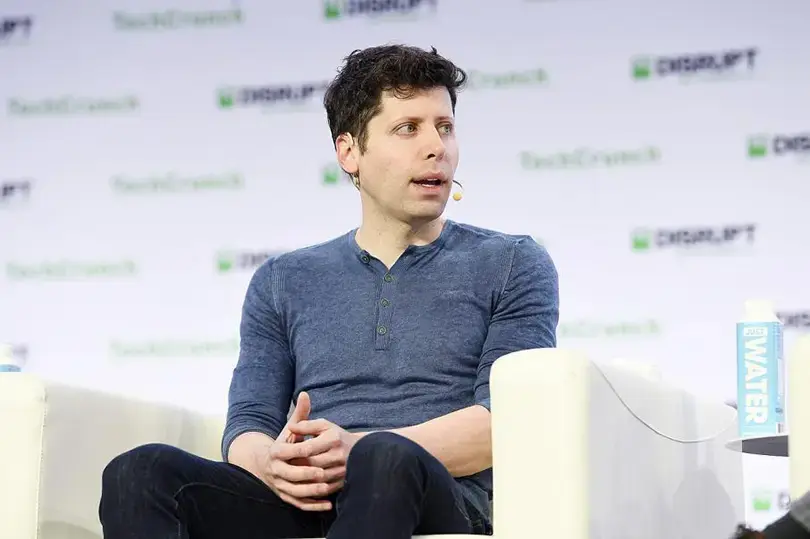
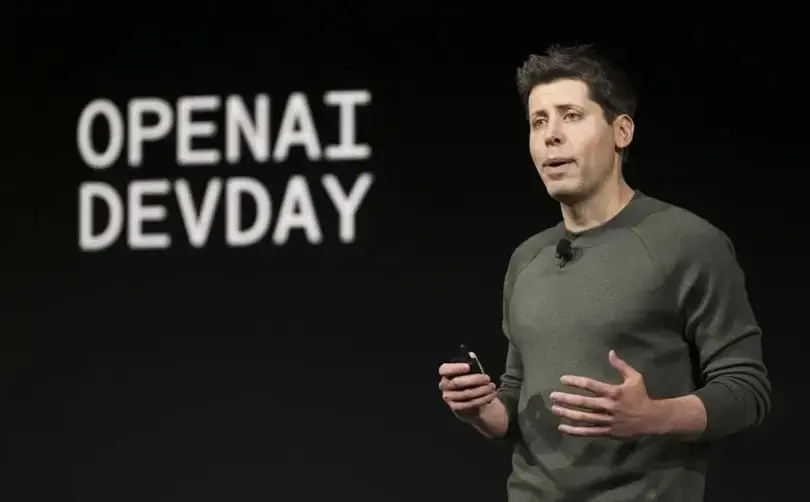
And leading this shift is Sam Altman, CEO of OpenAI, a man whose name has already become synonymous with the new era of artificial intelligence.
This isn’t a tale of a lone genius or a technical marvel.
It’s about someone who dared to change the direction of civilization, from right here in California, the state where ideas often become tomorrow’s reality.
From Startups to AI Revolution
Sam Altman began as a young developer and entrepreneur.
He rose to prominence as one of the youngest presidents of Y Combinator, the legendary startup accelerator that launched Airbnb, Dropbox, and Reddit.
Then came OpenAI—a bold vision to make artificial intelligence accessible, safe, and beneficial to all.
While the world was still unsure what AI could be, Altman saw it as “a second electrical revolution.”
“We’re standing on the edge of a technology that could change everything work, education, medicine, creativity. The key is ensuring it serves humanity, not the other way around.”
Humans and Machines: Partners, Not Rivals
For Altman, artificial intelligence isn’t about replacing people, it’s about empowering them.
He rejects the apocalyptic view of AI as a threat. To him, the outcome depends entirely on how we shape the relationship.
“Machines won’t replace people. They’ll take away the routine and give us more time for what truly matters thinking, creating, solving new problems.”
In California, where innovation is a way of life, that’s not just philosophy, it’s a call to action.
From Silicon Valley startups to L.A. creative studios, AI is becoming part of the daily rhythm.
Riding the Wave of Change
Altman sees AI evolving at a pace no one expected.
The long-dreamed goal of Artificial General Intelligence (AGI), a system that thinks and learns like a human, may arrive sooner than we imagined.
“Each month now brings leaps that used to take years,” he says.
This speed brings both opportunity and responsibility.
California’s labs and startups are rethinking the future of work, raising questions that sound less like science fiction and more like Monday morning strategy sessions.
What It Means for Californians
1. Work and Careers
AI won’t erase jobs, Altman argues, it will redistribute them.
It levels the playing field, giving people tools that once belonged only to experts.
What once took a decade to build, a business, a portfolio, a career, can now start with an idea and a few AI-powered tools.
“This is the best time to start your career,” Altman says. “AI gives beginners the ability to do what only experts could do before.”
Across California, designers, lawyers, and marketers already know this firsthand.
2. Education and Lifelong Learning
Altman envisions AI as “a teacher for everyone.”
It can adapt to each learner’s pace and style, offering personal guidance at scale.
California’s schools and universities are already experimenting, introducing AI tutors, ethics courses, and hybrid learning systems.
But Altman warns:
“AI shouldn’t replace curiosity. It should amplify it.”
3. Responsibility and Risk
For all his optimism, Altman remains cautious.
“I’m a little scared of this technology,” he admits. “Anything powerful can be used for harm. The key is setting the right boundaries.”
That resonates in California, where conversations about privacy, ethics, and digital regulation run deep.
Lawmakers are already drafting policies on AI use in classrooms, courts, and even advertising.
Altman often compares AI to nuclear energy:
“It’s a force that can light up cities or destroy them. It’s up to us.”
4. The Everyday Presence of AI
Artificial intelligence is already in our homes, cars, and pockets.
It plans our days, manages our homes, tracks our health.
Soon, Altman predicts, everyone will have a personal digital assistant, one that knows your schedule, habits, and goals.
But trust, he insists, is essential.
“We need to feel in control of technology, not the other way around.”
Why California Matters
California has always been the vanguard of change, from the internet to clean energy, from the iPhone to Tesla.
Now, AI is next on that list.
Altman believes the world is watching how Californians respond to this revolution.
“People here don’t wait to be told what to do. They invent direction. That’s why California might be where humans and machines finally learn to understand each other.”
Five Altman Ideas Shaping the Future
- AI isn’t a threat, it’s a tool. It should make people freer and more creative.
- Trust is the new currency. Without it, technology fails.
- The future of work is human-machine collaboration.
- Ethics must move faster than code. Responsibility grows with innovation.
- AI belongs to everyone. It should serve society, not just corporations.
What We Can Do Now
- Learn it. Understand the technology instead of fearing it.
- Share it. Talk about how you use AI in your work or life.
- Question it. Stay alert to where it helps and where it manipulates.
- Teach it. Raise children who can think critically about technology.
- Connect. Build communities that shape AI’s future together.
The New Frontier
Sam Altman isn’t just the CEO of OpenAI.
He’s a symbol of a turning point, where science, business, and philosophy converge.
He doesn’t ask us to fear or worship machines.
He invites us to something far more ambitious: a conscious partnership, a future where technology serves human purpose, and humans give it meaning.
Once again, California stands as the world’s testing ground, not just for innovation, but for the human spirit itself.
“What will we do with this gift?” Altman asks. “Use it to rise higher, or let it rule us?”
The answer, as always, begins here.