





Sacramento is no longer just the political heart of California. Over the past decade it has quietly become one of the state’s fastest growing innovation hubs. New residents. New businesses. New ideas about how cities should work.
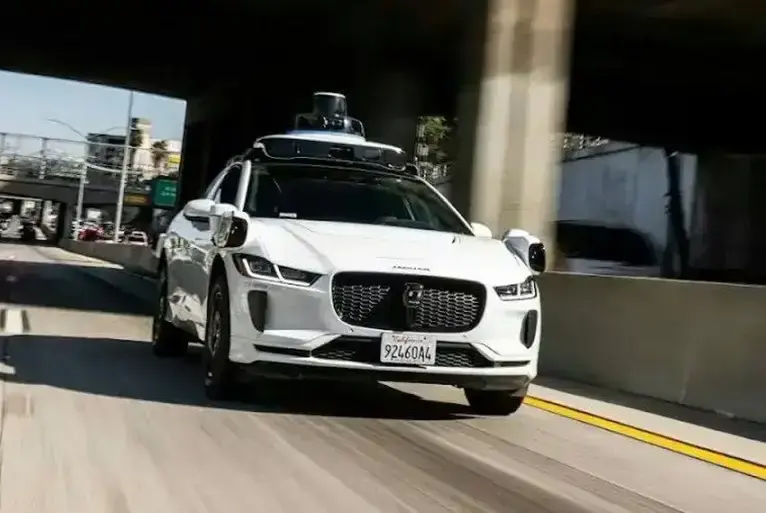
Now Sacramento is becoming the next stop in Waymo’s expansion of autonomous transportation. The company behind some of the most advanced self driving technology in the world is beginning test operations in California’s capital.
This move says a lot about where the city is heading.
What Waymo Is Actually Doing First
Waymo will begin with test drives across Sacramento using electric Jaguar I PACE vehicles. These cars will be driven manually by trained operators. No passenger service yet.
At this stage the goal is learning. Waymo Driver will study how Sacramento moves. Quiet tree lined neighborhoods. Busy downtown streets. Tourists. Cyclists. Construction zones. Complex intersections.
This phase is essential before any public launch. Autonomous systems must understand local traffic patterns in detail before they can operate safely.
How a Self Driving System Learns a City
Waymo Driver is built on years of research in robotics, computer vision, and machine learning. The system uses cameras, radar, and lidar to create a real time 3D understanding of the environment.
Every mile driven generates massive amounts of data. How pedestrians cross the street. How drivers behave when rules are unclear. How traffic changes at different times of day.
Waymo combines real world driving with billions of miles of simulated scenarios. This scientific approach allows the system to train for rare and dangerous situations long before they happen on real roads.
Why Sacramento Matters
Sacramento is a complex city for autonomous vehicles. It blends historic districts with modern business centers. It hosts thousands of daily visitors. It balances cars, bikes, pedestrians, and public transport.
If self driving technology can work here, it can work almost anywhere.
That is why Sacramento is such an important testing ground not only for Waymo but for the future of transportation across California.
Safety Is the Core Argument
According to U.S. traffic safety data, more than 90 percent of accidents are caused by human error. Distraction. Fatigue. Speeding. Emotional decisions.
Autonomous systems do not get tired or angry. They do not text while driving. They follow traffic rules consistently.
This does not mean zero risk. But studies increasingly show that well trained autonomous systems can significantly reduce accidents over time.
Sacramento’s mayor Kevin McCarty emphasized that as the city grows, the need for safe and reliable transportation grows with it.
Electric Vehicles and a Cleaner City
Waymo’s fleet is fully electric. That matters in a state focused on climate goals and sustainable urban development.
Electric autonomous vehicles mean fewer emissions, less noise, and a more efficient use of city streets. For Sacramento, which is investing heavily in green spaces and walkable areas, this fits the long term vision.
Transportation is not just about moving people. It is about shaping the city itself.
Jobs and the Local Economy
Autonomous technology does not only replace jobs. It also creates new ones. Engineers. Safety specialists. Vehicle operators. Data analysts. Support teams.
Waymo’s presence brings investment and partnerships. It strengthens Sacramento’s position as a city where advanced technology is tested and deployed responsibly.
Tourism and Historic Areas
Sacramento attracts thousands of tourists every day. Old Sacramento. Museums. The Capitol. The riverfront.
Waymo has stated it plans to work closely with city and state authorities to ensure the service supports both residents and visitors. That means careful integration into historic areas where safety and comfort matter more than speed.
Autonomous rides could become part of the visitor experience while reducing traffic and parking pressure.
A Step by Step Strategy
Waymo follows the same gradual approach in every city. Learn first. Test carefully. Expand slowly.
Manual driving. Then limited autonomous zones. Then broader access.
This method builds trust and reduces risk. Sacramento is now officially part of that journey.
What Comes Next
Residents who want early access can sign up for updates on Waymo’s website. This allows the company to build a community of early users once the service moves closer to launch.
Waymo already operates fully autonomous taxis at San Francisco International Airport. California regulators have approved testing in dozens of cities statewide.
Sacramento is not an experiment. It is a strategic step toward a new model of urban mobility.
Sacramento has reinvented itself many times. From Gold Rush roots to agricultural powerhouse. From government center to innovation city.
Now it is becoming a place where the future of transportation quietly enters everyday life.
Waymo’s cars may arrive without drama. But the change they represent is anything but small.