





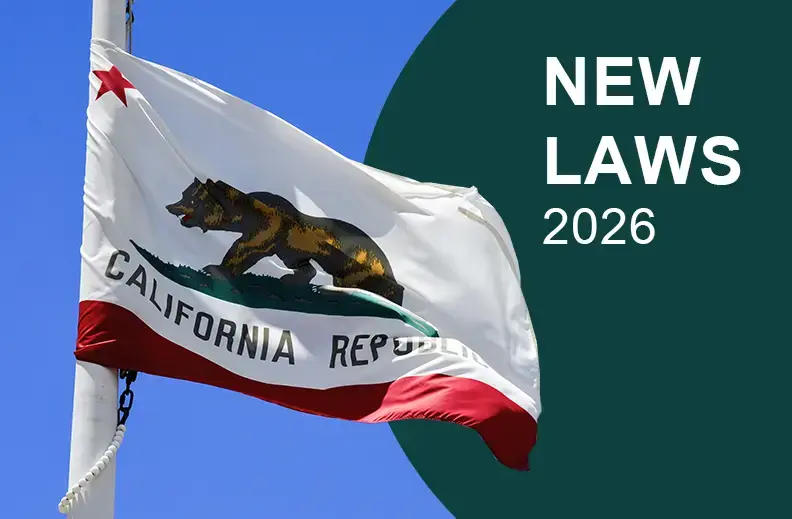
California has never been just another US state. For decades, it has been a testing ground for ideas that later spread across the country. What starts as a debate in Sacramento often becomes a national conversation. That is why the new laws taking effect in 2026 are getting so much attention not only from lawmakers but from everyday people.
At first glance, these changes may seem unrelated. A stricter ban on plastic bags. New rules for electric bikes. Limits on insulin prices. Changes in how students are admitted to Cal State universities. New requirements to label content created by artificial intelligence. But together, they tell a bigger story.
California is reshaping daily life by redefining how we shop, travel, get medical care, study, and even consume information.
Plastic Bags Are Disappearing for Good
The plastic bag debate is back, and this time the rules go further than before. Starting in 2026, most remaining exceptions are gone. Single use plastic bags are being phased out across more stores and situations.
Supporters say this is a necessary step to protect oceans, wildlife, and communities from pollution. Critics argue that it adds inconvenience and extra costs for shoppers.
But this law is not just about bags. It is about changing habits. California is once again pushing people to rethink everyday choices and take more responsibility for the environment.
Electric Bikes Face New Limits
Electric bikes have become a symbol of modern California life. They are fast, convenient, and popular in crowded cities. But their rapid growth has also brought safety concerns.
Under the new 2026 rules, electric bikes are more clearly classified. There are tighter age requirements and new restrictions on where certain types of e bikes can be used.
Supporters say the changes will make streets and sidewalks safer. Opponents worry that too much regulation could discourage clean transportation. The debate reflects a larger issue facing many cities how to balance innovation with public safety.
Insulin Prices Finally Get a Cap
For many Californians, the cost of insulin has been a matter of survival. Families have struggled for years with rising prices for a medication people need to stay alive.
The new law sets firm limits on insulin prices, making it more affordable regardless of income or insurance status. Patient advocacy groups and doctors strongly support the move.
Pharmaceutical companies warn that price caps could affect future innovation. Still, California is sending a clear message that access to essential medicine should not depend on wealth.
Cal State Admissions Are Being Rethought
Changes to the Cal State university admissions system have sparked intense debate among students, parents, and educators.
The new approach reduces the focus on standardized tests and places more weight on a student’s background, challenges, and overall achievements. The goal is to create a more fair and inclusive system.
Supporters see this as a step toward equal opportunity. Critics fear it could lower academic standards. At its core, the reform asks a deeper question what should success really look like in modern education.
Artificial Intelligence Must Be Labeled
As artificial intelligence becomes more powerful, concerns about misinformation and trust continue to grow. Deepfake videos, AI generated images, and machine written content are becoming harder to identify.
Starting in 2026, certain AI generated content must be clearly labeled. This applies to advertising, political messaging, and some media content.
Tech companies say enforcement will be complex. Journalists and researchers argue that transparency is essential to protect democracy and public trust. California is once again setting a standard that other states may soon follow.
Why the Whole Country Is Watching
Each of these laws affects a specific part of life. Together, they represent a broader shift. California is expanding the role of government, placing limits on powerful industries, and demanding more accountability from technology.
This is why business leaders, policymakers, and citizens across the US are paying attention. What feels controversial today in California could become normal nationwide tomorrow.
Life After 2026 Starts Now
For Californians, 2026 is not just a future date. These changes will be felt at grocery store checkouts, on city streets, in pharmacies, on college campuses, and online.
More than anything, these laws force a bigger conversation. What kind of future do we want? One focused on convenience or responsibility. Speed or safety. Innovation or transparency.
California has made its choice. The rest of the country is watching closely.