





Measles Is Back. Here’s Why California Should Pay Attention
In 2000, measles was declared eliminated in the United States. It felt like a public health victory. A chapter closed.
But in 2026, the numbers tell a different story.
So far this year, 733 measles cases have been confirmed across the country. That is about four times higher than the average yearly level after elimination. In 2025, the US recorded 2,276 cases, the highest number in decades.
This is not just a statistic. It is a warning sign.
Cases have been reported in multiple states, including California, Arizona, Oregon, Washington, Florida, and others. The largest outbreak is in South Carolina, but the pattern is clear. Measles is spreading again.
For a state like California, with busy airports, global tourism, crowded campuses, and dense cities, this matters.
Why Is This Happening Now
The main reason is not a new strain of the virus. It is lower vaccination rates.
According to the CDC, MMR vaccination coverage among kindergarteners dropped from 95 percent in 2019 to below 93 percent in 2025.
Two percent may not sound dramatic. For measles, it is huge.
Measles is one of the most contagious viruses known. If one infected person enters a room of unvaccinated people, up to 90 percent of them can get sick. To stop the virus from spreading, about 95 percent of the community needs to be vaccinated. This is called herd immunity.
Once coverage drops below that level, cracks appear. Outbreaks follow.
This is not politics. It is epidemiology.
California Under the Microscope
California has strong vaccination laws. After the Disneyland outbreak in 2015, the state tightened school immunization requirements and limited non medical exemptions.
For years, that worked.
But the COVID pandemic changed routines. Pediatric visits were delayed. Trust in institutions shifted. Online misinformation grew louder.
In some counties, vaccination rates fell enough to create pockets of vulnerability. And viruses are very good at finding weak spots.
One imported case, one international flight, one crowded classroom. That is all it takes to start a chain of transmission.
Measles Is Not a Mild Childhood Illness
Some people think of measles as just a rash and a few days of fever. Science tells a different story.
Measles can cause pneumonia, brain inflammation, and long term neurological damage. Young children and people with weakened immune systems are at higher risk of hospitalization. In rare cases, measles can be fatal.
It is also contagious before the rash appears. A person can spread the virus through the air simply by coughing or breathing in a room. The virus can remain in the air for up to two hours after an infected person leaves.
In open offices, schools, daycare centers, and shopping malls, that is a serious risk.
The Science Behind the Vaccine
The MMR vaccine protects against measles, mumps, and rubella. After two doses, it is about 97 percent effective at preventing measles. It has been studied for decades and is considered one of the safest and most effective vaccines available.
When vaccination coverage stays at or above 95 percent, large outbreaks are very unlikely. When it drops, cases rise. The pattern has repeated itself many times.
The recent surge in cases follows the recent drop in vaccination rates. The connection is clear.
What This Means for Families
If you have young children, check their vaccination records. The first MMR dose is usually given at 12 to 15 months. The second dose at 4 to 6 years.
If your child missed a dose, talk to your pediatrician about catch up vaccination.
Adults born after 1957 who do not have proof of immunity should also review their status, especially if they work in schools, healthcare, hospitality, or travel frequently.
This is not about fear. It is about preparation.
Know the Symptoms
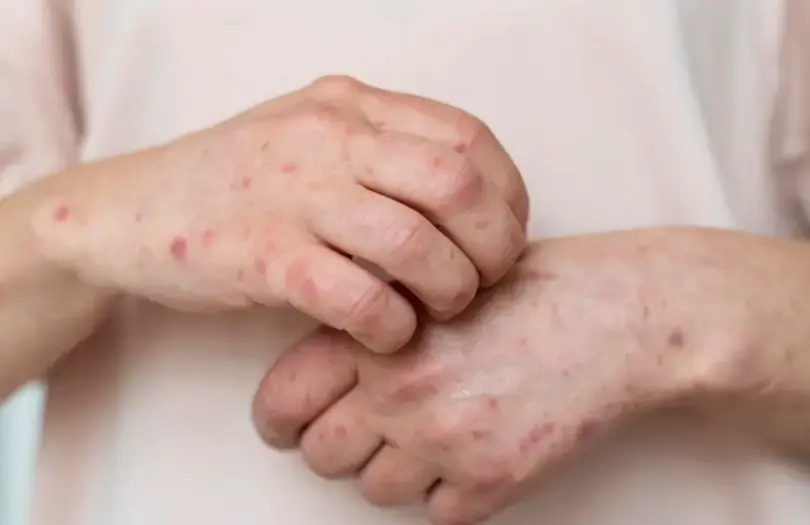
Measles usually begins 10 to 14 days after exposure. Early symptoms include high fever, cough, runny nose, and red eyes. A few days later, a rash appears, starting on the face and spreading downward.
If you suspect measles, call your doctor before going to a clinic. This helps prevent exposure to others in waiting rooms.
Early communication can protect your community.
Practical Steps to Reduce Risk
- Make sure all family members are up to date on MMR vaccination. This is the most effective protection.
- Avoid close contact with people who have fever and rash during outbreaks.
- Limit visits to crowded indoor spaces if there are active local cases and you have unvaccinated infants.
- Practice basic hygiene. Wash hands regularly and improve indoor ventilation.
- Wear a mask if you have respiratory symptoms to protect others.
- Check travel health recommendations before international trips.
Simple steps. Real impact.
Herd Immunity Is a Shared Responsibility
Vaccination is not only a personal choice. It protects babies who are too young to be vaccinated. It protects cancer patients and people with compromised immune systems.
When vaccination rates fall, the most vulnerable people face the highest risk.
California has long valued science, innovation, and community action. Public health is part of that identity.
What Happens Next
If vaccination rates continue to decline, the US could see larger and more frequent outbreaks. Public health experts have warned about this for years.
But the trend can be reversed.
Higher vaccination coverage can quickly reduce transmission and prevent new outbreaks. The success of 2000 proved that measles can be controlled.
The question is whether we act early or react late.
Stay Calm. Stay Informed. Stay Protected.
Measles is not a reason for panic. It is a reason for awareness.
A disease once considered eliminated is testing our public health system again. For California, with its global connections and vibrant communities, prevention is the smartest strategy.
Sometimes the most powerful action is simple. Check your records. Talk to your doctor. Share accurate information. Public health is built on small decisions made by millions of people.
And in 2026, those decisions matter more than ever.