





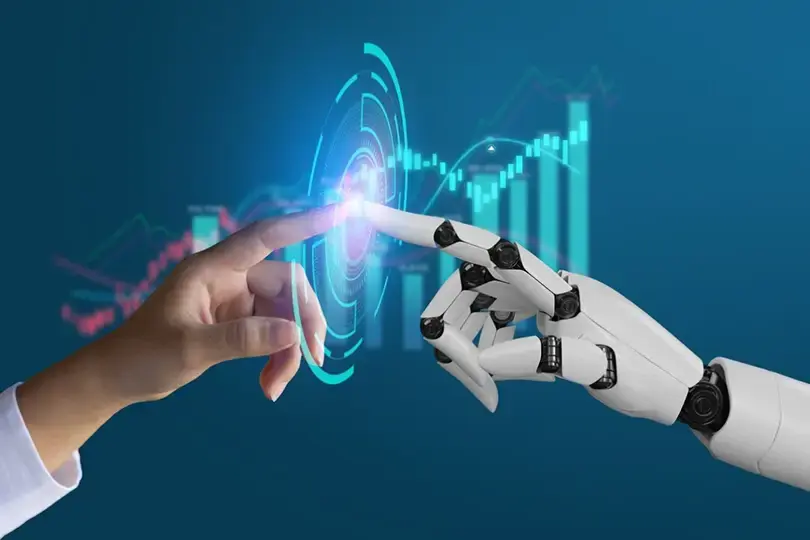
Imagine this. You wake up sick on a Sunday. Your chest feels tight. You try to book a doctor visit. The first available appointment is in two weeks. Now imagine something else.
Your doctor lives inside your phone. You open an app, describe your symptoms, upload your health data, and get real medical guidance within minutes.
This is the idea behind Lotus Health AI, a fast growing startup from San Francisco. The company offers free 24 7 virtual consultations powered by artificial intelligence and reviewed by licensed doctors. No waiting room. No copay. No insurance card required.
It sounds futuristic. But it was built to solve a very real crisis.
America Has a Waiting Problem
Millions of Americans struggle to get timely medical care. In the 15 largest US cities, the average wait time for a specialist is now 31 days. That is a 48 percent increase since 2004.
At the same time, the country is facing a serious doctor shortage. Researchers at University of California, San Francisco estimate that by 2036 the US could be short between 13 500 and 86 000 physicians, including up to 40 000 primary care doctors.
Telemedicine grew during the pandemic. Online visits increased from about 1.8 percent of all appointments in 2020 to around 4.8 percent by 2023. But that is still a small share of total healthcare.
So patients are looking elsewhere.
According to OpenAI, more than 40 million people ask ChatGPT health related questions every day. About 5 percent of all ChatGPT queries are about symptoms, medications, or insurance. Seven out of ten of those questions are asked at night or on weekends, when traditional clinics are closed.
But general chatbots can only give broad advice. They cannot diagnose or prescribe.
Lotus Health AI is trying to change that.
From Dating Apps to Digital Clinics
Lotus Health AI was launched in May 2024 by KJ Dhaliwal, the son of two pediatricians. As a child, he often helped his parents translate for patients. He saw how hard it was for families to reach a doctor.
Before healthcare, he built a dating app called Dil Mil, which he sold in 2019 for 50 million dollars. He invested that money into building Lotus.
The result is a virtual clinic without lines. The app works in more than 50 languages. It is licensed across all 50 US states. It carries malpractice insurance and follows HIPAA privacy rules.
In February 2026, Lotus raised 35 million dollars in Series A funding from major venture firms. Total funding reached 41 million dollars. Investors clearly believe that AI driven primary care has a future.
How the Neuro Doctor Works
The process starts with data.
Users upload medical records, lab results, discharge notes, and even data from fitness trackers. Lotus can integrate with tools like Apple HealthKit and Google Fit. That means the system can analyze heart rate, blood pressure, sleep patterns, and activity levels in real time.
Then the AI begins the consultation. It asks follow up questions, just like a human doctor. It builds possible diagnoses. It connects symptoms with long term history.
But here is the key difference.
Licensed physicians review and approve every diagnosis and prescription. AI does the heavy analysis. Human doctors sign off on the final decision.
If the system detects danger signs such as extremely high fever or symptoms of a medical emergency, it immediately tells the user to seek urgent in person care.
This is not AI alone. It is AI plus doctors.
Real World Stories
Consider John, a software engineer in Silicon Valley. He often worked late. One night he developed serious shortness of breath. Waiting weeks for an appointment was not an option.
He downloaded Lotus, described his symptoms, and uploaded smartwatch data. Within minutes, the system suggested asthma and issued an electronic prescription for an inhaler. The following week, an in person visit confirmed the diagnosis. Treatment had already begun.
Or Maria, a 70 year old woman in San Diego living with diabetes. Because of mobility issues, visiting a clinic was difficult. Through Lotus, she connected with a virtual endocrinology consultation. Her glucose data was reviewed, medication guidance was adjusted, and the app reminded her to take insulin. She received help without leaving her home.
These cases show how digital care can close gaps, especially for chronic conditions.
Free Access Without Insurance
One of the most radical features of Lotus is that it is free.
Patients do not pay copays. They do not enter insurance details. The company earns revenue from premium sponsors such as pharmaceutical partners who place educational content inside the app.
Critics may question bias. Lotus says clinical recommendations are based strictly on patient data and evidence based medicine. Sponsored content is clearly separated.
The platform also complies with federal privacy rules. Doctors reviewing cases carry malpractice coverage. That means consultations can be used in official medical documentation.
Is It Safe?
AI in medicine raises serious concerns. There have been cases where chatbots gave incorrect mental health advice. Lawsuits have been filed against companies whose AI systems allegedly caused harm.
No serious medical expert suggests replacing doctors completely.
However, research shows strong results when AI supports human professionals. The Stanford AI Index reports that modern systems can quickly detect links between lifestyle and disease risk. In medical knowledge tests, GPT 4 scored around 92 percent accuracy, compared to about 74 percent for human physicians alone. The best results came from teams combining doctors and AI.
Lotus is built on that hybrid model.
Similar pilot programs show promise. In Southern California, a large healthcare provider tested an AI patient portal. The system correctly identified 97.7 percent of urgent cases and recommended appropriate care pathways in nearly 89 percent of cases. Patient satisfaction increased by about 9 percent.
These numbers suggest that well designed digital tools can support doctors rather than replace them.
The Future of Primary Care
Lotus Health AI represents a new experiment in primary care. It asks a bold question.
Can healthcare become as accessible as messaging a friend?
For residents of California, where technology shapes daily life, the idea of a doctor inside a smartphone feels almost natural. The multilingual interface is especially important in a diverse state. Patients can speak their own language without waiting for translation services.
If AI systems prove reliable, they could reduce the burden on overcrowded clinics. Digital assistants can gather history, analyze lab results, issue reminders, and handle routine tasks. Doctors would then focus on complex and critical cases.
The real test will be trust.
Are patients ready to share their health data with algorithms? Will regulators keep pace with innovation? Can free access remain sustainable?
One thing is clear. The demand for faster, more accessible care is growing. And startups like Lotus Health AI are stepping into that gap.
The doctor in your phone is no longer science fiction. The question now is simple. Would you trust it with your health?