





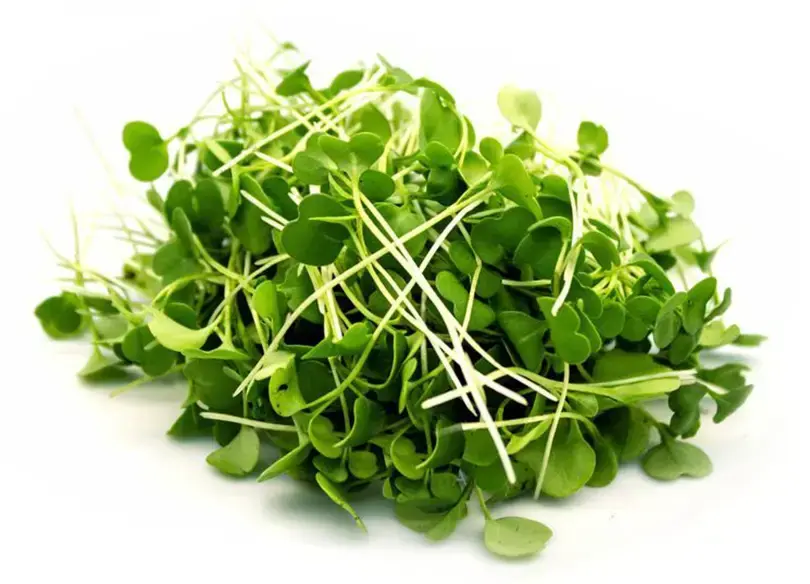
In a world full of trendy superfoods, it is rare for science to clearly pick a winner. But that is exactly what happened when US health researchers took a close look at what we eat.
According to a study by the Centers for Disease Control and Prevention, watercress is officially the most nutritious food on the planet. It earned a perfect score of 100 out of 100, beating quinoa, avocado, broccoli, and kale. For comparison, sweet potatoes scored only 10 points, and tomatoes scored 20.
The surprise is not just the result, but the product itself. Watercress looks simple and unremarkable. Yet behind those small green leaves is one of the most powerful natural health boosters available.
How Science Changed the Superfood Rankings
The CDC researchers measured something called nutrient density. They analyzed how many essential nutrients a food provides for each calorie it contains. Seventeen key nutrients were included, such as vitamins A, C, K, B vitamins, fiber, and important minerals.
Watercress came out on top because it delivers an incredible amount of nutrition with almost no calories. One cup contains only four calories, yet it provides the full daily requirement of vitamin K, about 17 percent of vitamin C, and 6 percent of vitamin A.
No supplement can match that balance.
Vitamin K. A Quiet Hero for Bones and Blood
Vitamin K does not get as much attention as vitamin D or omega 3s, but it plays a critical role in the body. It supports strong bones and helps blood clot properly, which is essential for healing and overall health.
A single serving of watercress covers your daily vitamin K needs. This makes it especially valuable for aging adults and anyone focused on bone strength and cardiovascular health.
Powerful Antioxidants That Work Naturally
Watercress contains special plant compounds called phytochemicals. Among them are glucosinolates and isothiocyanates, which are being actively studied for their potential cancer protective effects.
These compounds help the body fight oxidative stress, support liver function, and strengthen natural detox systems. This is one reason watercress is often described as a natural multivitamin.
The key difference is that these nutrients come from real food, not pills.
Better Vision, Healthier Skin, Stronger Immunity
Watercress is also rich in lutein and zeaxanthin, antioxidants that protect eye health. They help reduce damage caused by screens and aging, making them especially important in today’s digital world.
Combined with vitamin A, these nutrients support healthy skin, strong immunity, and proper function of the eyes and mucous membranes.
Why Watercress Is Still Overlooked
Despite its impressive benefits, watercress rarely gets attention. It does not look as trendy as kale or taste as rich as avocado. It has no exotic backstory or marketing hype.
But its mild flavor is actually a strength. Watercress blends easily into salads, sandwiches, soups, and smoothies without overpowering other ingredients. It fits almost any meal.
How Watercress Is Used Around the World
In Europe, watercress has been part of traditional cooking for generations. It is often paired with eggs, fish, and cheese. In the United Kingdom, it is a classic ingredient in sandwiches and light soups.
In the United States, interest is growing as more people learn about its scientific ranking and health benefits.
You Can Grow This Superfood at Home
One of the most surprising facts about watercress is how easy it is to grow. It does not require a garden or special tools. A windowsill, water, and light are enough.
Sprouts appear within days, and fresh greens are ready to eat in about a week. This makes watercress one of the most affordable and accessible superfoods available.
The Future of Nutrition Is Already Here
As people talk more about longevity, functional nutrition, and healthy aging, watercress stands out. It proves that the most powerful health foods are not always expensive or trendy.
Sometimes the best choice is already sitting quietly in the produce section.
Watercress does not promise miracles. It works slowly and consistently. It supports bones, blood vessels, eyes, immunity, and cellular health. It does all this with almost no calories and no downside.
That is what real nutrition looks like.