





The Story of Levi’s From Gold Rush to Global Icon
Close your eyes and picture a pair of jeans.
Not a trend. Not a brand logo. Just jeans.
Chances are you see the same shape. Straight legs. Strong fabric. A confident fit.
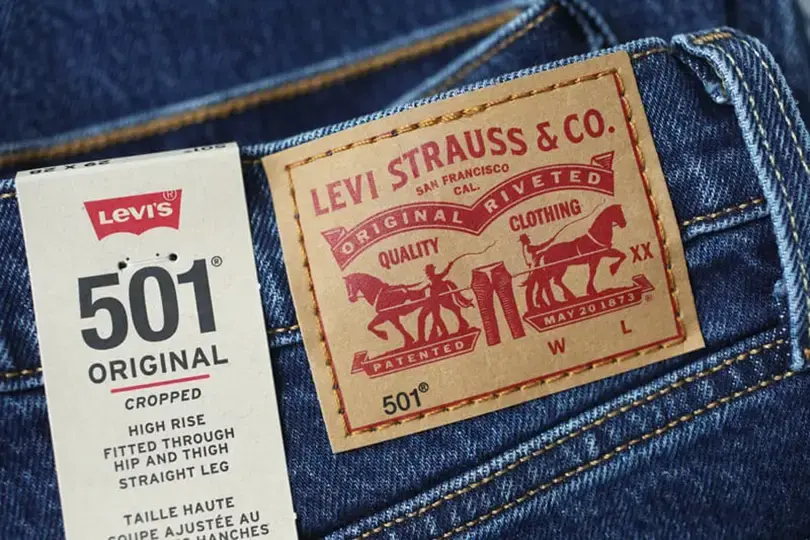
That image has a name. Levi’s 501.
These jeans did not follow fashion. They created it. And they did it in California.
Where It All Began
The story of Levi’s is not about runways or designers. It starts with hard work and survival.
In the mid nineteenth century California was exploding with energy. The Gold Rush brought miners, builders, farmers and dreamers to the West Coast. They worked long hours in rough conditions. Their clothes did not last. Pants tore fast. Especially at the pockets.
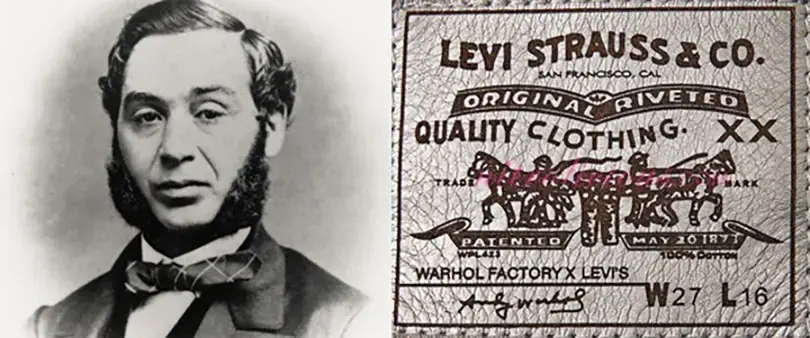
Levi Strauss was a fabric merchant from Bavaria who settled in San Francisco. He was not trying to change fashion. He simply saw a problem and looked for a solution. People needed pants that could survive real work.
When Engineering Met Clothing
In 1873 Levi Strauss partnered with tailor Jacob Davis. Davis had a simple but powerful idea. Reinforce stress points with metal rivets.
This was not decoration. It was engineering.
From a materials science point of view the design was smart. Denim uses diagonal twill weaving which increases strength. Cotton allows airflow and comfort. Indigo dye stays mostly on the surface of the yarn which lets the fabric age naturally over time.
Modern textile research confirms it. This balance of durability and comfort still works today.
Denim That Tells a Personal Story
Jeans do something special. They change with you.
Indigo fades. Creases appear. The fabric softens where you move the most. Every pair becomes unique. Long before the word customization existed Levi’s offered something personal without extra effort.
Your jeans become your story.
San Francisco in Every Stitch
Levi’s grew with California. The company survived the 1906 earthquake, wars and economic crises. Dock workers in Oakland wore them. Farmers in the Central Valley trusted them. Builders of roads and bridges lived in them.
By the mid twentieth century jeans moved beyond workwear. Students, artists and musicians embraced them. California’s culture of freedom and ease made Levi’s a symbol of independence.
Hollywood and Youth Rebellion
Movies changed everything.
When James Dean and Marlon Brando wore Levi’s, jeans became a statement. Not just practical. Emotional. A symbol of rebellion and identity.
Sociologists often point this out. Levi’s crossed social borders. Workers, students, artists and entrepreneurs all wore the same jeans. Few clothing items have ever done that.
501 as an Archetype
The Levi’s 501 became the reference point.
Straight fit. Button fly. Balanced proportions. Nothing extra. Today fashion schools study the 501 as a lesson in functional minimalism.
Time magazine called Levi’s 501 the fashion item of the twentieth century. Fashion trends came and went. Mom jeans. Skinny jeans. Boyfriend cuts. Bootcut returns.
The 501 outlived them all.
In 2026 this model turns 153 years old. And it has never disappeared.
Who Owns Levi’s Today
Levi Strauss & Co still has strong family roots. Control remains with the descendants of the founders and the Haas family, who have guided the company for generations.
Even as a public company Levi’s focuses on long term values, not fast trends. Its headquarters remain in San Francisco. This is not symbolic. It is identity.
Sustainability and the Future
Today Levi’s invests heavily in sustainability. Less water use. Recycled cotton. Circular fashion programs.
Studies show that classic jeans last longer than most clothing items. From a sustainability perspective this matters. Buying fewer, better things is one of the most effective choices consumers can make.
Levi’s is more than a brand. It is proof that a practical solution can become a cultural symbol.
California shaped these jeans. In an age of fast trends and digital fashion Levi’s reminds us that real things last.
That is why this story still spreads. And why people keep sharing it.