





A new wave of biometric technology — convenient or creepy?
Imagine walking up to a café counter, smiling — and your latte is instantly paid for. No cash. No card. No phone. Just you.
It sounds like something out of science fiction, but this could soon be reality in San Francisco — a city that often lives a few steps ahead of the rest of the world when it comes to technology.
It sounds like something out of science fiction, but this could soon be reality in San Francisco — a city that often lives a few steps ahead of the rest of the world when it comes to technology.
What’s Happening
Payment technology has evolved at lightning speed over the past decade.
Contactless cards, Apple Pay, Google Pay, QR codes — and now, the next step: biometric payments.
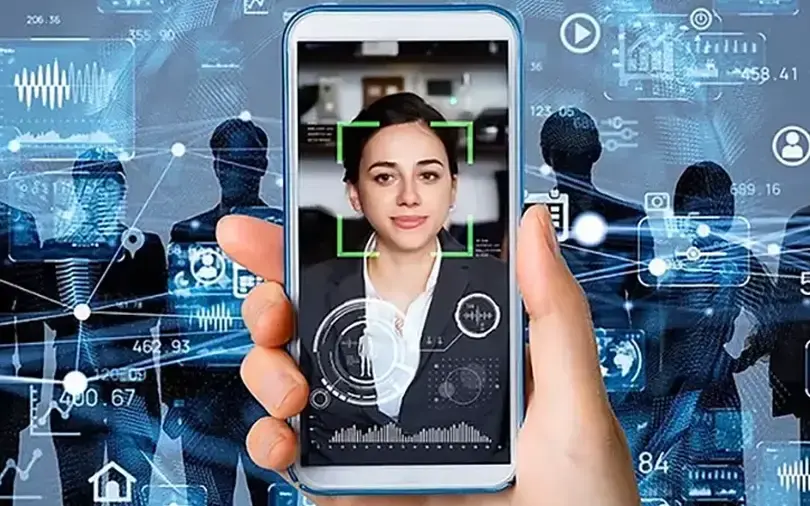
The idea is simple but bold: your face becomes your wallet. While there’s no official citywide rollout yet, conversations are heating up among tech firms, startups, banks, and regulators about the potential and the pitfalls of facial recognition as a payment tool.
Contactless cards, Apple Pay, Google Pay, QR codes — and now, the next step: biometric payments.
The idea is simple but bold: your face becomes your wallet. While there’s no official citywide rollout yet, conversations are heating up among tech firms, startups, banks, and regulators about the potential and the pitfalls of facial recognition as a payment tool.
Similar systems are already being tested elsewhere:
- In Japan, passengers can pay for public transit simply by looking at a screen.
- Biometric bank cards allow users to confirm identity via fingerprints or facial scans.
- Pilot programs countries already let people pay by face in buses, cafés, and stores.
It’s no surprise that San Francisco — a cradle of innovation — is watching closely.
Why It Could Be Convenient
1. Speed and comfort
No more fumbling for your wallet, typing in a PIN, or waving your phone at a scanner. Payment happens in seconds — “one facial tap” and you’re done.
2. Fewer physical items
No cards. No phones. No forgetting your wallet. If your face is recognized, the transaction goes through.
3. Accessibility
For people with visual or motor impairments, facial payments could make daily purchases easier and more independent.
4. Innovation and prestige
For San Francisco, early adoption means prestige. It reinforces the city’s image as a global tech pioneer — attracting investors, startups, and creative minds.
Why It Also Feels Unsettling
1. Privacy and surveillance
Using your face as a payment method raises serious questions: where is your biometric data stored? Who has access to it — the payment company, researchers, the government? A leak or misuse could expose far more than your bank account.
2. Recognition errors and bias
Facial recognition systems have repeatedly shown higher error rates for women, older adults, and people with darker skin tones. The fairness and reliability of these systems are still under scrutiny.
3. No opt-out options
What if the camera doesn’t recognize you — because of lighting, glasses, a mask, or simply aging? And what about people who refuse to use biometrics for ethical or religious reasons? Exclusion becomes a real risk.
4. Security concerns
Data breaches, deepfakes, spoofing attacks — all raise the stakes. If your facial data is stolen, you can’t just “change” your face like you would a password.
5. Control and oversight
Who decides when and how facial payments can be used?
Without strict regulation, such systems could be exploited for tracking, targeted advertising, or even behavioral monitoring.
The Legal Landscape in San Francisco
San Francisco is no stranger to regulating tech.
In 2019, it became the first major U.S. city to ban government agencies — including police — from using facial recognition technology.
But that law doesn’t apply to private businesses.
In 2019, it became the first major U.S. city to ban government agencies — including police — from using facial recognition technology.
But that law doesn’t apply to private businesses.
If face payments are introduced citywide, officials will need to address thorny issues:
- Who owns and protects the data?
- How can users delete their biometric records?
- Who is liable for misuse or data leaks?
- How can the system be rolled back if it fails or causes harm?
Possible Futures
1. Pilot programs
Small-scale rollouts at cafés, transit stations, or major events. Voluntary participation, data testing, and user feedback.
2. Optional adoption
Facial payment as an option, not a requirement. People could still pay with cards, phones, or cash.
3. Strong privacy safeguards
New rules could require explicit consent, transparent data handling, and independent audits.
4. Smarter technology
Algorithms will continue improving — fewer errors, better protection against fakes, and hybrid models combining biometrics with PINs or QR codes.
What People Think
The public mood is split.
Some see it as a natural step toward convenience — a “hands-free” future where transactions happen seamlessly.
Others fear it’s the start of an era where anonymity disappears.
And many simply ask: where does my face data go — and who’s watching?
Some see it as a natural step toward convenience — a “hands-free” future where transactions happen seamlessly.
Others fear it’s the start of an era where anonymity disappears.
And many simply ask: where does my face data go — and who’s watching?
The Ethical Crossroads
Consent. Biometric use should always be voluntary.
Data minimization. Only collect what’s truly needed, for as short a time as possible.
Transparency. Users deserve to know who owns their data and how to delete it.
Fairness. Systems must treat everyone equally — regardless of race, gender, or age.
Alternatives. Cash, cards, and phones should always remain viable options.
So — Should We Be Excited or Concerned?
Facial payment represents both a technological leap and an ethical challenge.
It could make life more convenient — or quietly erode privacy and choice.
It could make life more convenient — or quietly erode privacy and choice.
If San Francisco takes the plunge, the city could become a global case study — a model of innovation, or a warning sign for the world.
Would you pay with your face? Or would you prefer that a smile stays just a smile — not a transaction?