





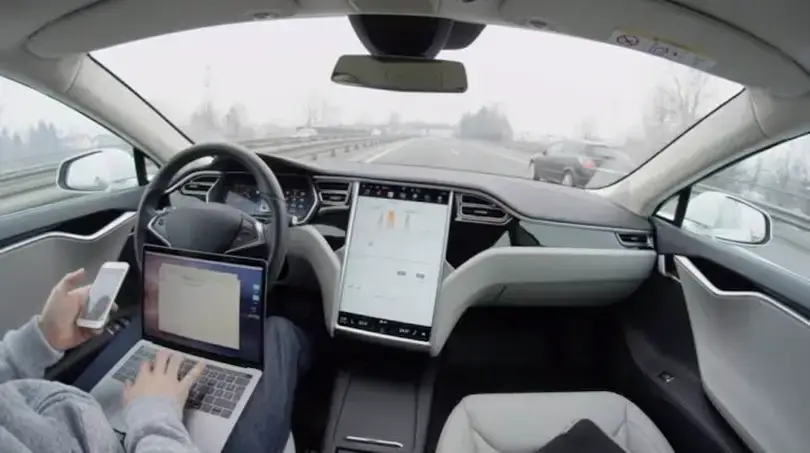
California has always been a place where the future arrives early. Electric cars became normal here long before they did in most of the country. And Tesla turned from a bold startup into a symbol of innovation and clean technology.
But lately, conversations about Tesla in California have taken a more serious tone. The company may face restrictions on car sales in the state. The reason is not batteries, design, or price. It is about how Tesla talks about one of its most famous features, Autopilot.
The news quickly spread across Silicon Valley and among car owners in Los Angeles, San Jose, and San Diego. Some see it as government pressure on innovation. Others believe it is a necessary step to protect drivers and pedestrians. This debate now sits at the center of Tesla’s future in California.
Why California Matters So Much
California is not just another market. It has the strictest environmental and safety rules in the country. It is also home to more Tesla vehicles than almost anywhere else in the world.
For many Californians, owning a Tesla is more than driving a car. It represents values like sustainability, technology, and progress. That is why even the possibility of sales being paused feels personal to many residents.
What Regulators Are Concerned About
The issue is not the technology itself, but the language Tesla uses to describe it. Names like Autopilot and Full Self Driving have caused confusion for years.
Regulators argue that these terms may make drivers believe the car can fully drive itself. In reality, Tesla states that drivers must stay alert and keep their hands on the wheel at all times. However, critics say the powerful names and marketing can create a false sense of safety.
California officials are asking a direct question. If the system is not fully autonomous, should it be marketed as if it is close to that level.
Why a Sales Pause Would Be Serious
Even discussing a possible pause in sales is a big deal. California is Tesla’s most important market in the United States. Losing access to it, even temporarily, would be both a financial and reputational blow.
So far, investors remain calm. Many expect the situation to end with changes in wording, updated marketing, or a fine. Still, this case shows that tech companies are now facing closer attention than before.
What Drivers Are Saying
Online forums and social media show mixed reactions. Some Tesla owners say they clearly understand Autopilot’s limits and use it responsibly. For them, it is a helpful driving assistant, especially in traffic.
Others admit that the name and advertising can feel misleading, especially for new drivers. In a state with heavy traffic like California, misunderstanding a system’s limits can be dangerous.
Innovation Versus Responsibility
Silicon Valley has long been known for breaking rules and moving fast. But cars are not apps. Mistakes on the road can cost lives.
California regulators are sending a message that innovation does not excuse unclear communication. When technology affects public safety, words matter.
Tesla and Future
Tesla is unlikely to disappear from California roads. The company has adapted before and will likely do so again. But this moment may mark a shift.
Tesla may need to choose between bold promises and more careful messaging. Between selling a vision of the future and meeting the expectations of a mature market.
Even if you have never driven a Tesla, this debate affects the future of transportation. It raises questions about trust, technology, and how much control we give to machines.
Tesla represents the dream of autonomous driving. California is where that dream is being tested in real life.